

Cupping therapy has surged in popularity over the past few years as people seek natural, holistic alternatives to manage pain, reduce stress, and enhance overall health. But before jumping into this ancient practice, it’s important to understand what’s involved.
Whether you’re a curious beginner or considering cupping professionally, knowing the basic requirements of cupping therapy will help ensure a safe, effective, and positive experience.
What is Cupping Therapy?
Cupping therapy is a traditional healing technique in which suction is created on the skin using cups made of glass, silicone, bamboo, or plastic. The suction draws blood to the surface and stimulates healing in the underlying tissues. There are several styles of cupping, including:
- Dry cupping – Suction only
- Wet cupping (Hijama) – Involves minor incisions and bloodletting
- Fire cupping – Uses flame to create suction inside glass cups
- Massage cupping – Cups are moved around for a massaging effect
Regardless of the technique used, there are some essential requirements for performing cupping therapy safely and effectively.
1. Proper Training and Certification
The most important requirement for cupping is proper training. Cupping may seem simple, but incorrect technique can lead to burns, infections, bruises, or ineffective results. Practitioners should:
- Complete a certified course in cupping therapy
- Understand anatomy and contraindications
- Learn infection control and hygiene protocols
- Be trained in emergency response (especially for wet cupping)
In many countries, cupping is regulated and must be performed by licensed professionals such as acupuncturists, massage therapists, or naturopaths. Always check local regulations before practicing.
2. Clean and Sterile Environment
Hygiene is critical in cupping, especially for wet cupping, which involves skin incisions. A clean, well-ventilated, and sterile environment ensures safety for both client and therapist. The space should include:
- A comfortable treatment table
- Clean linens and towels
- Proper waste disposal (especially for blood-contaminated materials)
- Hand-washing facilities or hand sanitizer
Using disposable equipment or properly sterilizing reusable tools is non-negotiable.
3. Cupping Equipment
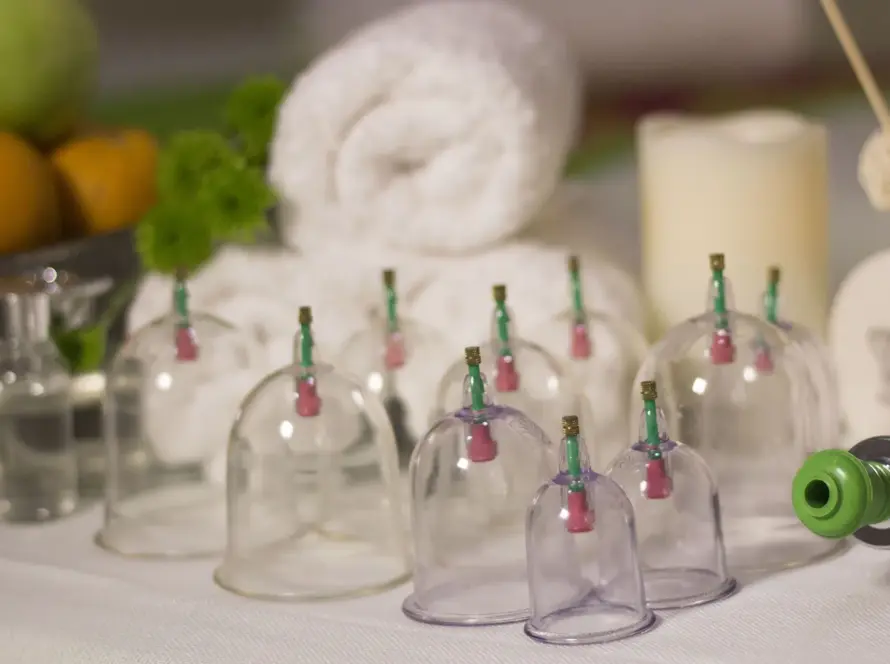
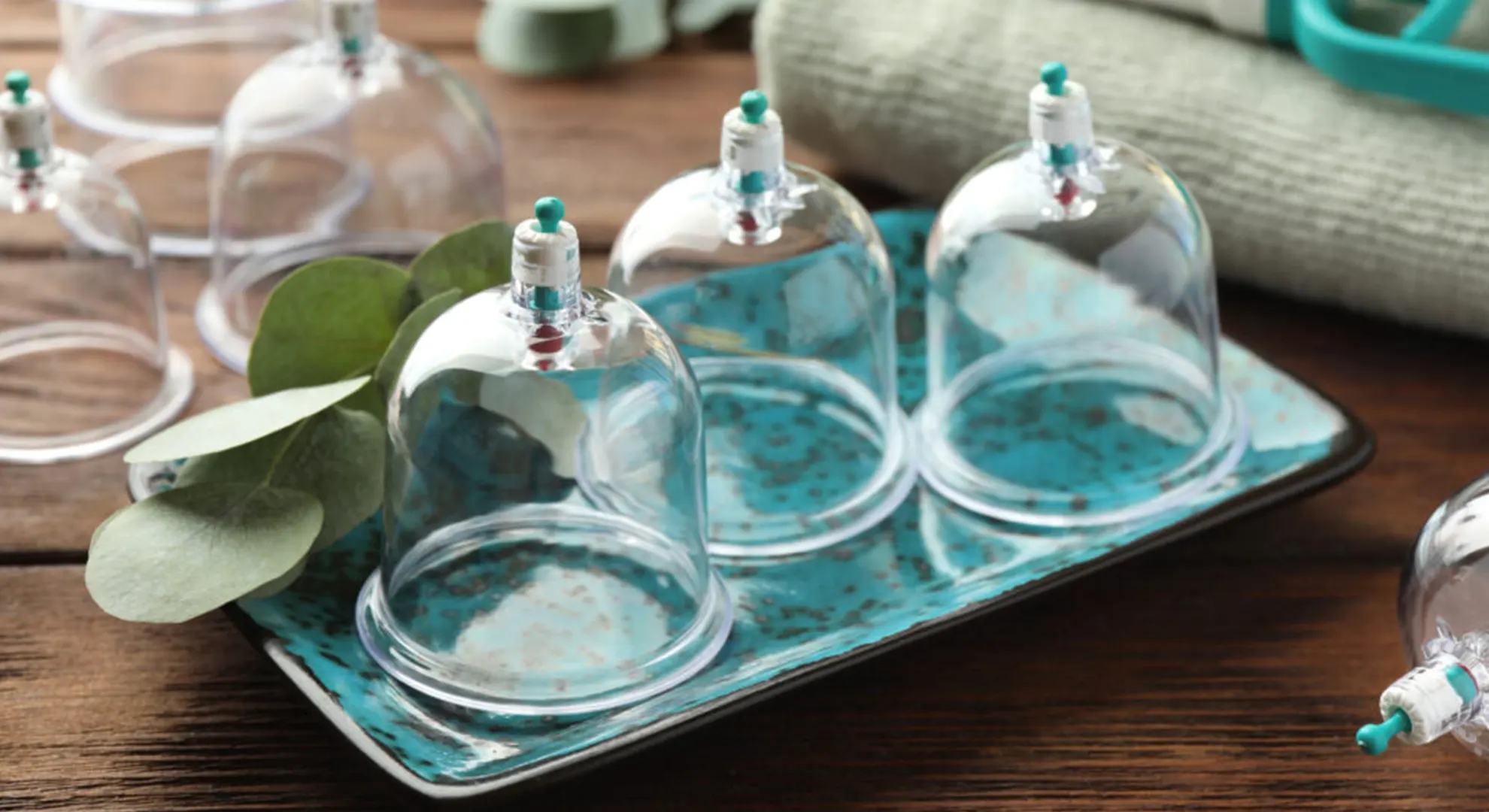
Several types of cups are used in cupping therapy, and each serves a different purpose:
- Glass cups – Common in fire cupping
- Plastic cups with pumps – Often used in dry or wet cupping
- Silicone cups – Ideal for massage cupping and self-care
- Bamboo cups – Traditional but less common today
Other essential tools may include:
- Alcohol swabs or cotton
- A lighter or alcohol torch (for fire cupping)
- Lancets or small surgical blades (for wet cupping)
- Gloves and antiseptics
- A suction pump (manual or electric)
Always inspect equipment for cracks or damage before each session.
4. Client Assessment and Consent
Before beginning a cupping session, a thorough assessment of the client’s condition is essential. Practitioners should:
- Review medical history
- Identify contraindications (e.g., pregnancy, bleeding disorders, skin conditions)
- Discuss recent medications or surgeries
- Explain potential side effects (bruising, fatigue, mild soreness)
Informed consent must be obtained, and the client should feel comfortable to ask questions before the procedure begins.
5. Lubricants and Aftercare Products
For massage cupping or to reduce friction, it’s necessary to apply oil or balm to the skin before cup application. Popular choices include:
- Olive oil
- Coconut oil
- Herbal balms (for additional therapeutic benefits)
Post-treatment care is equally important. Aftercare may include:
- Antiseptic wipes (especially after wet cupping)
- Healing ointments
- Hydration advice
- Rest and avoiding exposure to cold or wind
Clients should be advised on what to expect post-treatment and how to care for cupped areas.
6. Understanding Contraindications
Not everyone is a suitable candidate for cupping. Practitioners must be well-versed in when not to perform cupping. Common contraindications include:
- Broken or infected skin
- Bleeding disorders (e.g., hemophilia)
- Blood-thinning medications
- Pregnancy (in certain areas)
- Cancer (especially metastasized tumors)
- High fever or active infections
Practicing with safety and ethics in mind is a cornerstone of professional cupping therapy.
7. Clear Documentation
Keeping accurate records of each session is important for monitoring progress, safety, and legal protection. A good documentation system includes:
- Date and time of session
- Areas cupped
- Type of cupping performed
- Duration and intensity
- Client’s response and feedback
- Any adverse effects
This helps in tailoring future sessions and tracking results.
Conclusion
Cupping therapy can be an incredibly effective healing modality—but only when performed with the right knowledge, environment, and tools. Whether you’re a practitioner or someone seeking cupping for the first time, understanding these basic requirements is key to ensuring the therapy is safe, hygienic, and beneficial.
Remember: cupping is powerful, but it’s not a substitute for proper medical care. Always consult your healthcare provider when in doubt, and ensure you’re working with a trained and certified practitioner.